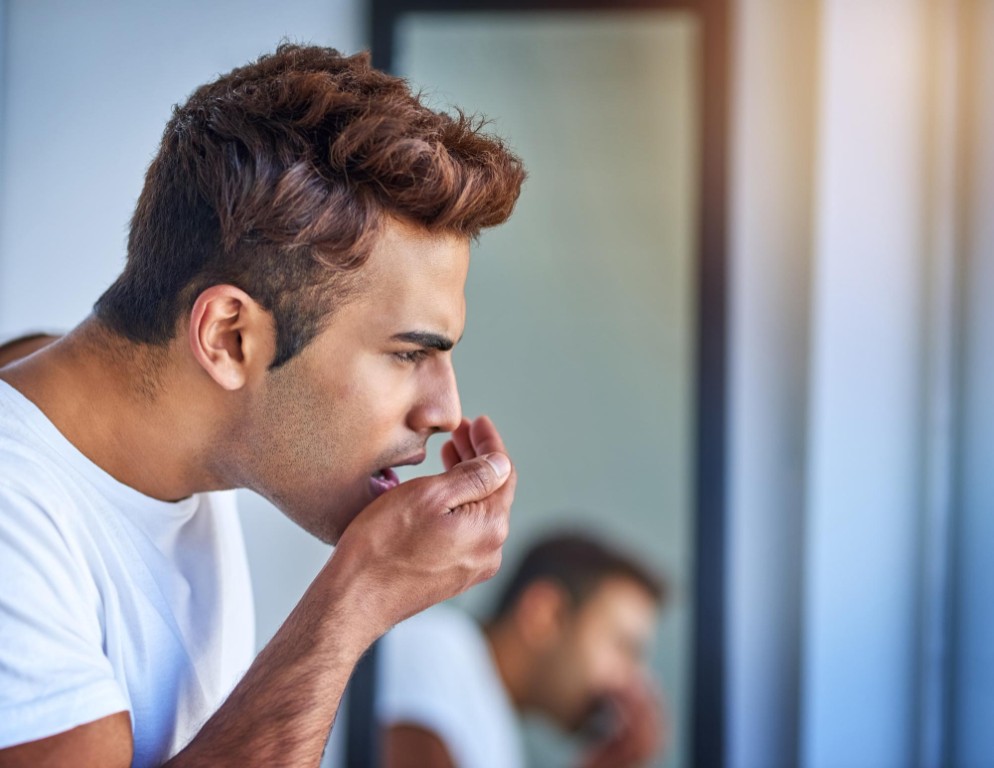
If you enjoy working with people and are interested in healthcare, becoming a dental hygienist can be a highly rewarding career path. Dental hygienists play an essential role in promoting oral health, preventing disease, and educating patients about proper dental care. This profession benefits greatly from strong science skills and a genuine passion for patient care. To explore related oral health topics, visit our blog on oral health or read more about maintaining fresh breath in our guide on bad breath.
Skills Needed to Become a Dental Hygienist
A career in dental hygiene requires both technical knowledge and compassionate communication. Key skills include:
- A genuine interest in helping patients improve their oral health
- Patience and empathy
- Strong abilities in biology, chemistry, and math
- Critical thinking and problem-solving skills
- Attention to detail and precision
- Excellent hand-eye coordination and manual dexterity
- Clear communication and teamwork abilities
What Does a Dental Hygienist Do?
Dental hygienists provide clinical care and patient education — two cornerstones of preventive dentistry. In addition to the tasks performed during cleanings, they also help patients understand how daily habits impact oral health. Many of these responsibilities directly support gum and breath health, topics we explore further in our articles on gum disease and tongue bacteria.
- Reviewing medical and dental histories
- Removing plaque, tartar, and stains during cleanings
- Taking and developing dental x-rays
- Educating patients on proper brushing, flossing, and home care
- Conducting oral cancer screenings
- Applying fluoride treatments and sealants
- Maintaining strict sterilization and infection control standards
- Assisting with dental office operations when needed
- Providing oral hygiene instruction in schools or community programs
How to Become a Dental Hygienist
Becoming a licensed dental hygienist requires dedication, training, and certification. Here's the typical pathway:
- Earn an Associate’s Degree in Dental Hygiene: Programs offered at community colleges, dental schools, or vocational institutions typically take about three years of full-time study.
- Pass the National Board Dental Hygiene Examination: This exam evaluates your understanding of biomedical sciences and dental theory.
- Complete a State or Regional Clinical Exam: Practical exams test your clinical ability and patient care skills.
- Apply for Licensure: After passing your exams, you must apply for a license through your state’s dental board.
Courses You’ll Take in a Dental Hygiene Program
Dental hygiene programs combine academic coursework with hands-on clinical training. Common subjects include:
- Dental materials and equipment
- Pharmacology
- Infection control and sterilization
- Periodontics (gum health)
- Radiology and imaging techniques
- Pain management and anesthesia
- Oral pathology
Considering a Career in Dental Health?
Dental hygienists make a meaningful impact on patient health and confidence. It’s a stable, well-paid career with flexibility and opportunities to work in private practice, public health, education, and specialized dental settings.
For more insight into oral health challenges, you might explore our guides on the emotional impact of halitosis or why floss may smell after use.
Visit the Center for Breath Treatment in Berkeley
If you or someone you know is struggling with chronic bad breath, Dr. Teah Nguyen and the team at the Center for Breath Treatment can help. We specialize in diagnosing and treating halitosis, dry mouth, sinus-related breath issues, and other oral health concerns.
Take the first step toward better oral health and confidence. Visit our contact page to schedule your consultation.
About the Author
Dr. Teah Nguyen is a general dentist in Berkeley with advanced expertise in diagnosing and treating chronic halitosis. She has helped thousands of patients overcome persistent bad breath using personalized, science-based treatment plans. To learn more or to schedule a consultation, visit our contact page.