

Many patients assume that if their floss smells bad after use, they automatically have a breath problem. The truth is more nuanced: maybe — but not always. Odor on floss does not confirm chronic halitosis, but it is not something to ignore either. Smelly floss is a useful clue about what is happening beneath the gumline, and understanding the cause can prevent a small issue from becoming a serious one. For a deeper look at breath problems generally, see our page on bad breath.
Why Floss Might Smell After Use
The most common reason for foul-smelling floss is gum disease (periodontal disease). Anaerobic bacteria living under the gums release volatile sulfur compounds (VSCs) — the same odor-producing gases responsible for halitosis, which is why floss odor is often confused with bad breath itself. Learn more about how gum disease develops on our gum disease page.
If gum disease progresses or affects multiple teeth, it can eventually produce persistent breath odor as well. Catching gum inflammation or infection early is the goal — and smelly floss is one of the earliest signals you have.
Odor Without Gum Disease: What It Means
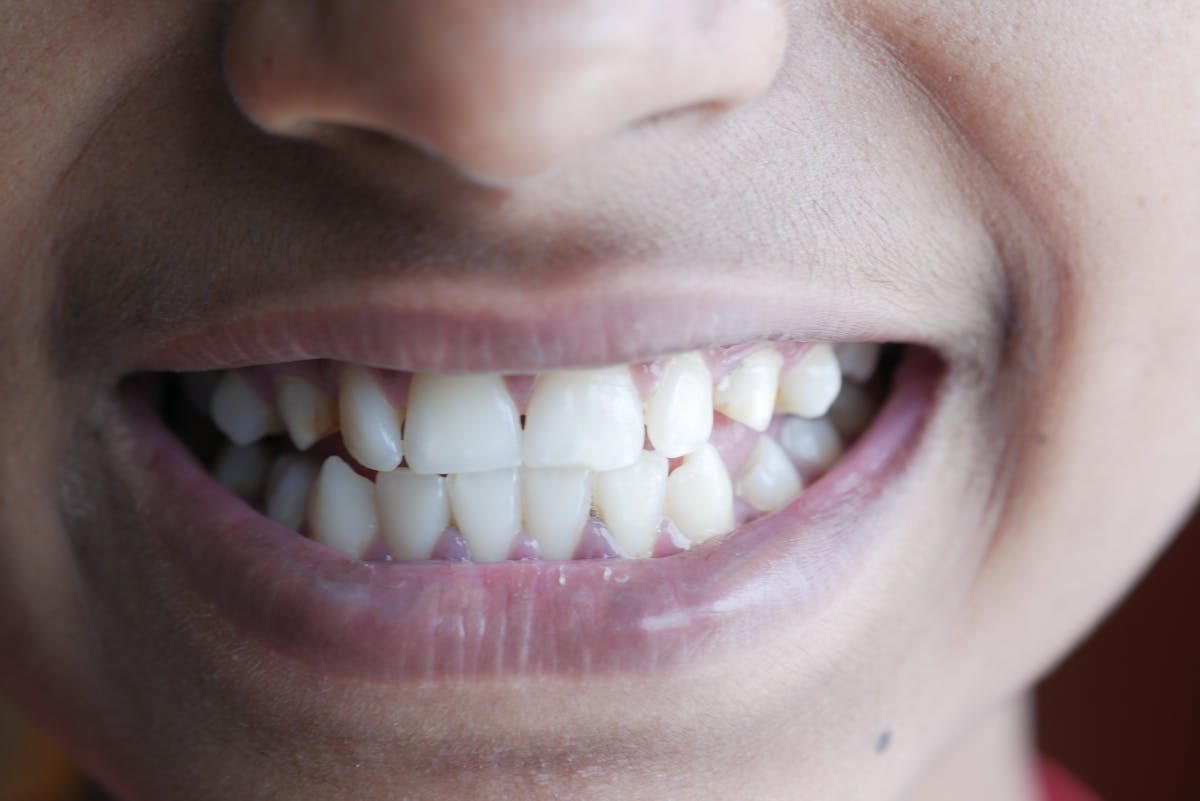
People who don't yet have periodontal disease — but who floss inconsistently — can still notice odor coming from bacterial buildup below the gums. The buildup may not be severe enough to qualify as gum disease, but the same anaerobic bacteria are present and producing detectable VSCs.
When floss is slipped beneath the gumline, it picks up these compounds and the odor becomes obvious. Treat it as an early sign that bacterial activity is rising. Without consistent care it can progress into gum disease over time. Other conditions such as dry mouth and sinus issues can also create an environment where odor-causing bacteria thrive.
How to Reduce Floss Odor and Support Gum Health
Reducing floss odor is mostly a matter of consistency and technique:
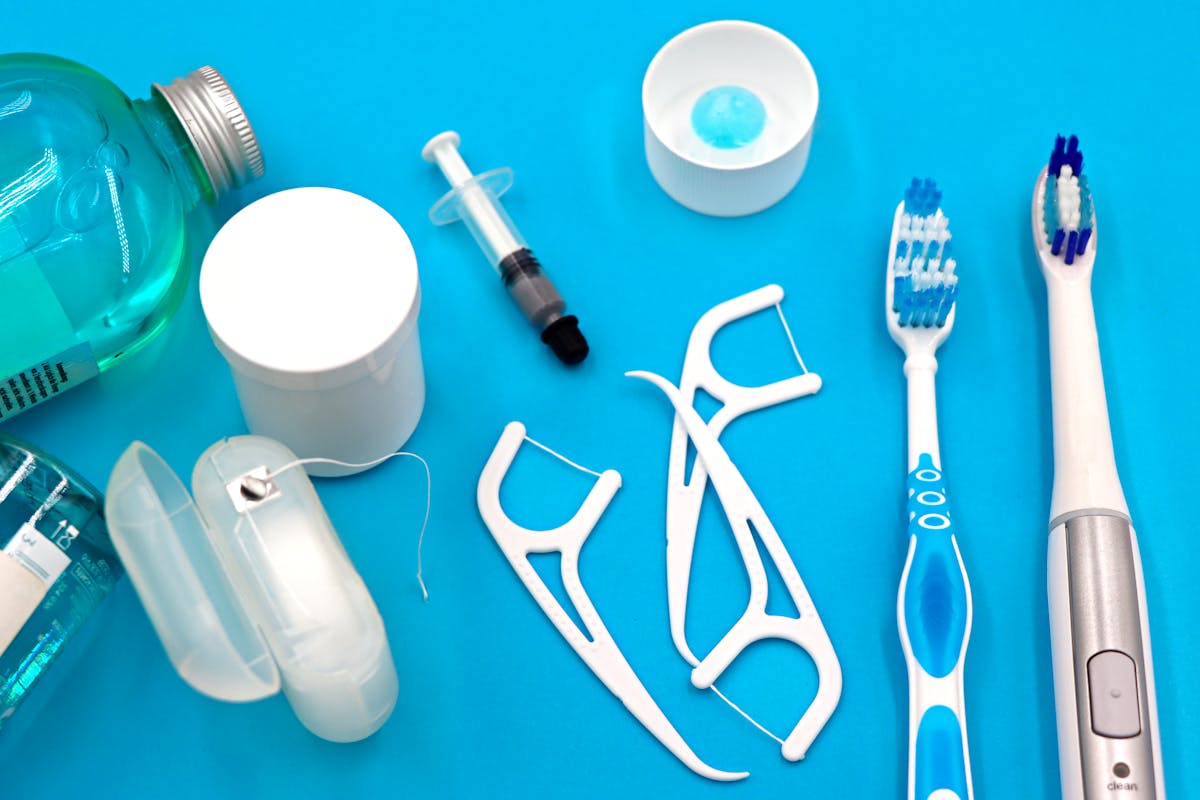
- Floss twice daily, ideally morning and night, to disrupt bacterial colonies before they re-establish.
- Use a C-shape technique — wrap the floss against each tooth in a C-curve and slide it gently below the gumline rather than snapping straight down.
- Add an oral irrigator (water flosser) for areas where floss does not reach easily — between tightly spaced teeth, around bridges, or under aligners.
- Schedule professional cleanings every six months, or every three to four months if you have a history of gum issues.
If you are unsure whether tongue bacteria might also be contributing, see our tongue-cleaning guide.
The emotional side of breath issues can also be significant. Many patients carry stress and embarrassment around halitosis. We cover that in The Emotional Impact of Halitosis.
What Different Floss Smells Actually Mean
The character of the odor on used floss is diagnostic. Patients sometimes describe vague "bad smell" complaints, but the specific note tells us what is happening below the gumline.
Sour or Sulfurous
The most common note. Hydrogen sulfide and methyl mercaptan are the dominant gases produced by anaerobic bacteria feeding on protein debris and dead cells in the gum sulcus. A sour-egg smell on floss after a normal day of eating is almost always bacterial buildup, not active infection. Two weeks of twice-daily flossing usually clears it.
Metallic or "Old Penny"
Trace blood mixed with bacterial byproducts. This is the signature of gingivitis or early periodontitis — the gums are inflamed, capillaries leak slightly during flossing, and the iron in the blood combines with sulfur compounds. If you see pink on the floss along with the metallic smell, the inflammation is active. This is the strongest single signal that a professional cleaning is overdue.
Sweet or Fruity
Less common but worth noting. A fruity or acetone-like note can indicate uncontrolled diabetes (ketotic breath) or a strict ketogenic diet, neither of which is fixed by flossing. If your floss smells sweet and you have not been on a low-carb diet, ask your physician about a fasting glucose test.
Decay-Like or Putrid
Strong, persistent rot-like odor on floss usually points to one of three things: a deep periodontal pocket harboring active infection, a failing dental restoration with leakage and food trapping underneath, or a cracked tooth with bacterial colonization in the fracture line. All three need a clinical visit; none will resolve with home care alone.
Why Some Areas of the Mouth Smell Worse
Patients who pay attention notice that the floss smells stronger in specific areas. There is a reason — and recognizing the pattern points to the underlying issue.
- Back molars: The most common location. Hardest to brush, hardest to floss, deepest pockets, and the highest concentration of anaerobic bacteria. If only the molar floss is smelly, the fix is technique — not chemistry.
- Around a single restoration (filling, crown, bridge): Decay leaking under the margin or a poorly contoured restoration trapping food. Localized smell that doesn't improve with cleaning means the restoration needs evaluation.
- Around dental implants: Implants are vulnerable to peri-implantitis, a localized infection of the supporting tissue. Smelly floss around an implant warrants a hygiene visit and a check of the implant's health.
- Around orthodontic brackets or wires: Mechanical trapping of food and biofilm. Threader floss or a water flosser is essential; standard floss alone is insufficient.
- Front teeth (rare): If the front teeth are involved, the cause is usually generalized — heavy plaque, dry mouth, or a tongue contribution rather than a localized issue.
How Long It Takes to Resolve
Patients who start consistent flossing usually see the smell drop noticeably within five to seven days and disappear within two weeks. The bacterial population in a healthy gum sulcus rebalances quickly once the biofilm is being mechanically disrupted twice daily. If two solid weeks of flossing has not changed the smell, the cause is not flossing frequency — it's pocket depth, dry mouth, a leaking restoration, or a sinus contributor — and a clinical exam will identify which.
One caveat: the first three to seven days of consistent flossing may produce more bleeding and arguably more odor than baseline, because you are disturbing established biofilm. Don't quit at day four. The pattern reverses by week two.
When to Stop Self-Treating
Two weeks of correct, twice-daily flossing should produce a clear improvement. If you are still getting strong odor on the floss after that — or if any of these red flags are present — book a clinical visit rather than continuing to troubleshoot:
- Bleeding that persists more than two weeks of consistent gentle flossing
- Visible recession (teeth looking longer, exposed tooth surface near the gumline)
- A specific tooth that is sensitive to cold, pressure, or sweets
- Persistent metallic taste between cleanings
- Bad breath that you can detect throughout the day, not just on the floss
Why Patients Choose the Center for Breath Treatment
If the smell does not improve with two weeks of consistent flossing — or if you also notice bleeding, recession, or persistent bad breath — a clinical evaluation is the right next step. Dr. Teah Nguyen and the team at the Center for Breath Treatment in Berkeley specialize in identifying exactly where breath odor and bacterial activity are coming from, and matching the treatment to the cause.
Call +1 510-848-0114, visit our treatment page, or schedule a consultation.