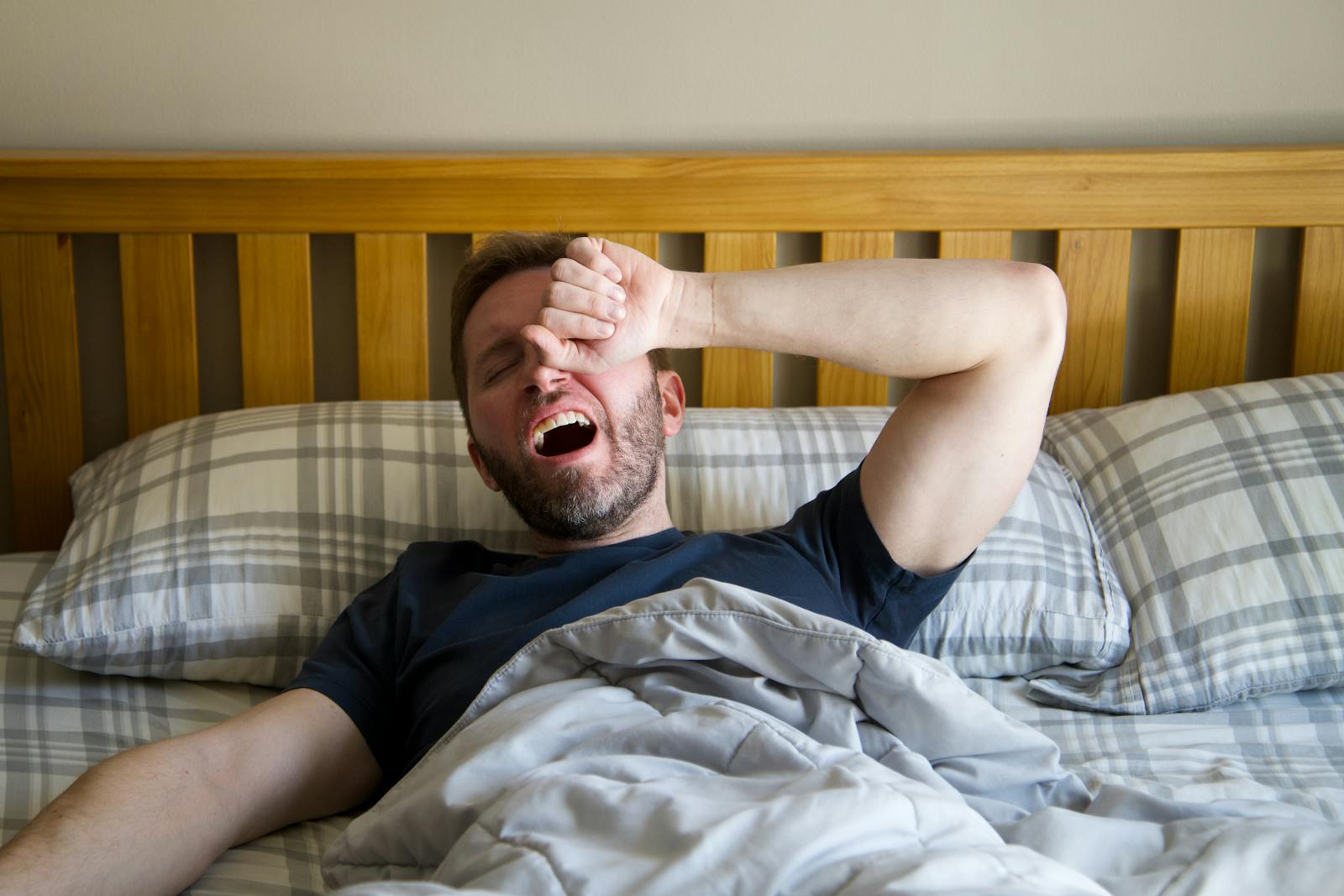
Waking up with very dry mouth at 3 a.m. — tongue stuck to the roof of your mouth, lips cracked, a metallic taste on every swallow — is one of the most common complaints we hear at the Center for Breath Treatment. It rarely means something is seriously wrong, but it almost always means something specific is wrong: your airway, your medications, or your salivary glands are not behaving the way they should overnight. The good news is that nighttime dryness has a short list of causes, and most of them respond to changes you can start tonight.
This guide walks through why your mouth dries while you sleep, the five most common reasons people wake up parched, why it triggers morning breath and cavities, and exactly what to do about it — from immediate relief to long-term fixes. For the bigger picture on chronic dryness, our dry mouth treatment overview covers the clinical side.
Why Your Mouth Gets Drier While You Sleep
Saliva production is not constant. During the day, your salivary glands push out roughly 0.3 to 0.5 milliliters per minute. During sleep, that flow drops to about 0.05 mL/min — a tenfold reduction. The body downregulates saliva because chewing, talking, and sensory cues that normally trigger flow are absent. That is normal. What is not normal is waking up with the cotton-mouth sensation severe enough to disrupt sleep.
The dryness itself is not just uncomfortable. Saliva carries oxygen, antimicrobial proteins, and bicarbonate that buffers acid. When it disappears for eight hours, anaerobic bacteria multiply rapidly, the pH on your teeth drops, and the soft tissues lose their protective film. The morning consequences — odor, taste changes, cracked lips, sore throat — are downstream of that single fact.
The 5 Most Common Causes of Waking Up with Very Dry Mouth
In our patient population, almost every case of severe nighttime dryness traces back to one of these five drivers, and many people have two or three working at once.
1. Mouth Breathing and Snoring
The single most common cause. If you sleep with your mouth open, room air pulls moisture out of the oral cavity all night long — a passive evaporation effect that no amount of hydration can offset. Mouth breathing usually has a reason: a deviated septum, chronic nasal congestion, allergies, large tonsils, or simple habit. Partners often notice snoring before the patient does. Waking up with cracked lips, a sore throat, or saliva pooled on one side of the pillow are all tells.
2. Sleep Apnea (Often Undiagnosed)
Obstructive sleep apnea forces the airway open against soft-tissue collapse, which almost always means breathing through the mouth. The dryness is so consistent that the American Academy of Sleep Medicine lists waking with a dry mouth as a screening symptom for apnea, alongside snoring and daytime fatigue. According to the National Heart, Lung, and Blood Institute, up to 80% of moderate-to-severe sleep apnea cases in the U.S. are undiagnosed. If you wake up parched and tired, ask your physician about a home sleep study.
3. Medications Taken at Night
More than 400 prescription drugs list xerostomia as a side effect, and many of them are taken at bedtime: tricyclic antidepressants, SSRIs, antihistamines (especially diphenhydramine in over-the-counter sleep aids), blood pressure medications, muscle relaxants, and bladder-control drugs. The effect compounds — taking three drying medications produces more than three times the dryness. If your symptoms started within a few weeks of a new prescription, that is your first suspect.
4. Alcohol and Caffeine Before Bed
Both are diuretics, both reduce saliva, and both fragment sleep. Alcohol is the bigger offender at night because it relaxes the airway muscles and worsens snoring on top of dehydrating you. A single glass of wine within three hours of bed is enough to produce noticeable morning dryness in most people. Coffee or strong tea after 4 p.m. produces a similar pattern via different mechanisms.
5. Dehydration and Bedroom Air
If you are mildly dehydrated when you go to sleep, your body will not produce enough saliva to begin with. Combine that with dry winter air, central heating, or a ceiling fan blowing on your face, and the moisture loss compounds. Bedroom humidity below about 30% reliably worsens nighttime dryness even in healthy patients.
How Nighttime Dryness Triggers Morning Breath
Saliva is the body's primary defense against the bacteria that produce volatile sulfur compounds — the molecules responsible for the smell of morning breath. When saliva flow nearly stops overnight, anaerobic bacteria on the back of the tongue, in periodontal pockets, and around the tonsils multiply unchecked. They feed on dead cells and trapped food protein, releasing hydrogen sulfide and methyl mercaptan. That is why morning breath is universal: every healthy mouth experiences it to some degree.
The problem is when it does not go away after brushing. Patients who wake up dry and stay malodorous through the day usually have a tongue-coating issue compounding the saliva problem. We explain that pattern in Is Your Tongue the Source of Your Bad Breath? and the chemistry behind the smell in our breakdown of volatile sulfur compounds. If you want the full root-cause treatment path, our guide to permanent halitosis treatment covers each cause in sequence.
Does Dry Mouth at Night Cause Cavities?
Yes — and it is one of the most predictable cavity patterns we see. Without saliva to neutralize acid, the pH on tooth surfaces stays below the demineralization threshold (pH 5.5) for hours. Repeated nightly, this produces a specific cavity pattern at the gumline and between teeth, sometimes called "xerostomia caries." The National Institute of Dental and Craniofacial Research identifies dry mouth as a major risk factor for rapid tooth decay, particularly in older adults on multiple medications.
Two clinical signs to watch for: new cavities appearing in patients with previously healthy teeth, and sensitivity along the gumline that was not there a year ago. Both warrant a fluoride-varnish protocol and a frank conversation about saliva flow.

How to Prevent Dry Mouth While Sleeping
Most people see meaningful improvement within a week of stacking three or four of the changes below. Start with the simplest.
Tonight — Immediate Fixes Before Bed
- Drink 8 oz of water 30 minutes before bed — not right before, which causes nighttime waking, but enough to enter sleep hydrated.
- Skip alcohol and caffeine after 4 p.m. for two consecutive nights to test whether they are the dominant driver.
- Tape your mouth shut with hypoallergenic paper tape (a single horizontal strip across the lips). This sounds extreme but is the fastest way to confirm whether you are mouth-breathing. If symptoms vanish, that is your cause.
- Run a humidifier in the bedroom set to 40-50% relative humidity.
- Apply a thin layer of lanolin or petroleum jelly to your lips to reduce the cracking that wakes you up.
Products Worth Trying
Over-the-counter dry-mouth products help significantly when used correctly. Look for products containing xylitol (anti-cavity, stimulates saliva), carboxymethylcellulose or hydroxyethylcellulose (long-lasting moisture mimics), and fluoride at a high concentration if cavities are a concern. Avoid anything with alcohol — it dries the tissues further. A bedside spray or moisturizing gel applied right before sleep gives most patients three to four extra hours of comfort.
Longer-Term Lifestyle Changes
If the immediate fixes help but the problem returns, work on the upstream causes: treat nasal allergies aggressively (saline rinses, antihistamine nasal sprays rather than oral antihistamines), ask your physician about timing or substituting drying medications, and pursue a sleep study if snoring or daytime fatigue is part of the picture. Chronic mouth breathers often benefit from a referral to an ENT or a myofunctional therapist who works on resting tongue posture.
When Nighttime Dry Mouth Needs Professional Treatment
See a clinician if your dry mouth has lasted more than two weeks, if you are developing new cavities or oral infections, if you also have eye dryness or joint pain (which can signal Sjögren's syndrome), or if morning breath has become a daily problem despite good hygiene. At the Center for Breath Treatment, our two-appointment protocol for nighttime dryness measures resting and stimulated saliva flow, identifies the precise driver, and matches it to a treatment — whether that is a custom rinse protocol, a sleep-study referral, or a medication review with your physician. After 28 years and more than 18,000 patients, we have learned that nighttime dry mouth is rarely just one thing, and the only way to fix it permanently is to test and treat each contributor in order.
If you have been dealing with this for months and home strategies have not held, book a consultation and we will work through the causes systematically.