The Breath Treatment Starter Kit from the Center for Breath Treatment features a curated set of products selected for one job: managing chronic bad breath at its source. The Center is independent and does not represent any single brand — every item is included because it has performed in clinical practice with halitosis patients.
The kit includes DioxiRinse™ medicated oral rinse, DioxiBrite™ toothpaste, and Dentiva® lozenges, plus step-by-step usage instructions. Patients can also receive personal guidance from Dr. Teah Nguyen, our halitosis specialist in Berkeley. Below is a breakdown of each product and why it earns its place.
DioxiRinse: Activated Chlorine Dioxide Rinse
DioxiRinse™ is a two-part activated chlorine dioxide mouthwash formulated to eliminate halitosis at its biological source. Rather than masking odor, activated chlorine dioxide oxidizes and destroys the volatile sulfur compounds (VSCs) and the anaerobic bacteria that produce them — the same organisms responsible for chronic halitosis, gum disease, and tongue-related odor.
When mixed, DioxiRinse becomes effervescent, allowing it to penetrate deep into areas ordinary rinses miss: between teeth, around braces, beneath the gumline, and on the back of the tongue. This is especially important for patients dealing with tongue bacteria and chronic bad breath.
The oxidizing formula also reduces mild staining and freshens the mouth without altering taste. Unlike chlorhexidine-based rinses, DioxiRinse does not cause tooth discoloration, and it can be used to disinfect toothbrushes between uses.
DioxiBrite Toothpaste
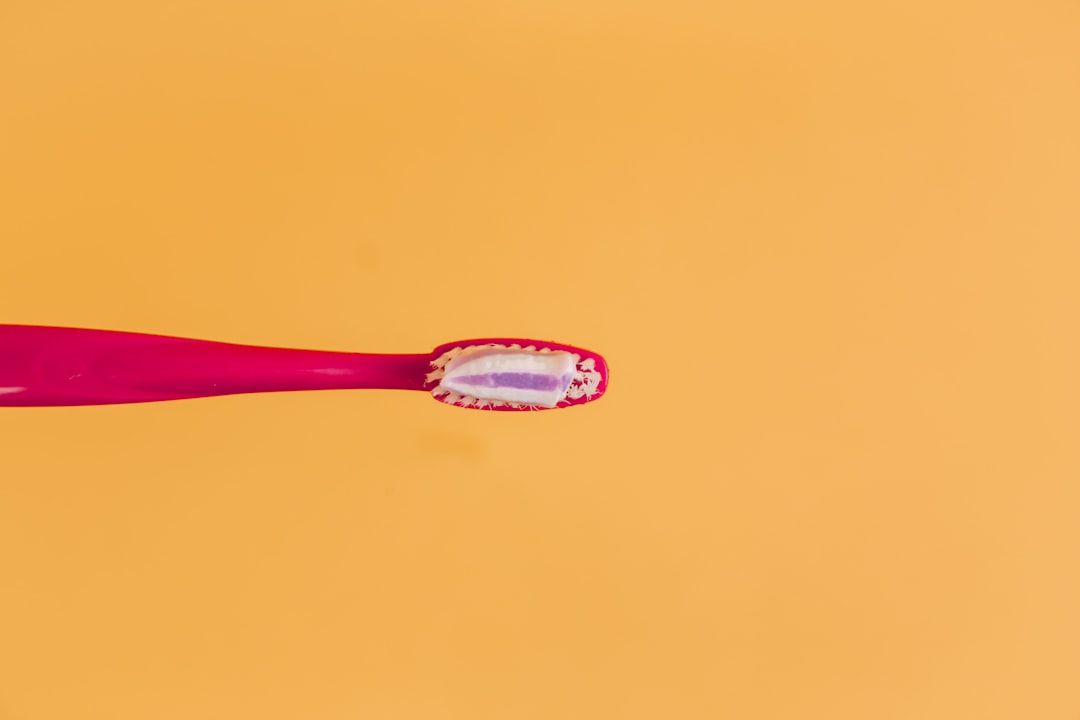
DioxiBrite™ toothpaste uses the same two-part chlorine dioxide activation found in DioxiRinse, delivering rapid antimicrobial action with each brushing. Its active chlorine dioxide eliminates bacteria more effectively than the stabilized chlorine dioxide used in many over-the-counter formulas.
The oxidizing effect helps break down plaque, tartar, and biofilm — the protective layer bacteria hide within. Because biofilm is one of the main contributors to persistent bad breath, removing it allows active ingredients to penetrate deeper and work longer.
DioxiBrite also contains fluoride for cavity prevention and zinc to enhance its oxidizing action. Used with DioxiRinse, it forms a complete anti-halitosis protocol — particularly helpful for patients with dry mouth (xerostomia) or recurrent gum irritation.
Dentiva Lozenges
Dentiva® Oral Hygiene Soft Lozenges provide triple-action support for fresh breath throughout the day. These sugar-free lozenges contain:
- Xylitol — inhibits bacteria that cause cavities and odor
- Menthol — provides a cool, fresh flavor
- pH-balancing ingredients — help maintain a mouth environment that discourages bacterial growth
Dentiva is ideal for an on-the-go solution to halitosis and for patients who want long-lasting freshness without the sugary mints that contribute to decay. They are particularly helpful for individuals with dry mouth, since xylitol stimulates saliva flow and helps reduce odor-causing bacteria. The American Dental Association recognizes xylitol as a useful adjunct in caries prevention.
The Complete Home Halitosis Kit
When DioxiRinse, DioxiBrite, and Dentiva are used together, they create an at-home halitosis treatment system that reaches areas standard brushing and rinsing cannot. The protocol targets the anaerobic bacteria responsible for chronic halitosis, gum inflammation, and tongue coating.
Daily use of DioxiRinse followed by DioxiBrite, plus Dentiva lozenges throughout the day, helps maintain lasting freshness and a healthier oral environment — supporting the same principles we apply in our professional halitosis treatment program.
How the Daily Protocol Looks in Practice
Patients ask us almost daily for the exact sequence and timing for the kit. Here is the protocol our clinic recommends after a starter-kit purchase, refined from twenty-eight years of patient feedback:
Morning Routine (5 minutes)
- Tongue scrape from back to front, 4–6 passes, rinsing the scraper after each pass. This removes the overnight bacterial film before any rinse — chemistry works better on disrupted biofilm than intact biofilm.
- Brush with DioxiBrite for two full minutes. The activated chlorine dioxide needs contact time to oxidize VSCs and reach into the gingival sulcus.
- Mix and rinse with DioxiRinse for 30 seconds, focusing on swishing toward the back of the mouth where the oral airway meets the tongue. Spit; do not rinse with water afterward.
- Wait 30 minutes before coffee or breakfast. The active chlorine dioxide continues to work after the visible rinse is gone.
Through the Day
One Dentiva lozenge mid-morning and one mid-afternoon. They are not breath fresheners in the mint sense — the xylitol stimulates saliva flow and the formulation helps maintain a less acidic oral pH that discourages anaerobic regrowth. Patients with diagnosed dry mouth often use three to four per day with no issue.
Evening Routine (5 minutes)
Identical to morning, plus floss between brush and rinse. The evening routine is the more important one — it sets the bacterial baseline for the eight hours of low-saliva sleep that follows. If you are skipping a session, do not skip evening.
What to Expect Week by Week
Most patients want a timeline. Below is the typical arc for someone with moderate chronic halitosis using the kit consistently:
- Days 1–3: Noticeable change in mouthfeel after each rinse. Some patients report a slight metallic taste from the chlorine dioxide reacting with VSCs — this is the chemistry working as designed and disappears within a few days as bacterial load drops.
- Days 4–7: Morning breath becomes lighter. Partners often notice before patients do. The sticky-mouth sensation that often accompanies halitosis fades.
- Weeks 2–3: Subjective improvement plateau. This is the point where many patients evaluate whether the kit is "working" — most find it has, but a subset (typically those whose halitosis is sinus- or periodontal-driven) see less benefit and need a clinical workup.
- Weeks 4–8: Stable freshness for those whose halitosis was tongue-bacteria-dominant. The protocol becomes a maintenance routine rather than a treatment.
If at the end of week three you have not noticed a clear change, the kit is not the limiting factor — the cause likely sits beyond what topical chemistry alone can reach. Our professional halitosis treatment program walks through the root causes and which require professional involvement.
Common Mistakes That Reduce Effectiveness
Patients who report disappointing results almost always trace back to one of these errors:
- Rinsing with water after DioxiRinse. Washes the active chlorine dioxide away before it has finished working. Spit and walk away — the residual film is part of the protocol.
- Skipping the tongue scrape. The chemistry can't reach what is buried under thick biofilm. Even thirty seconds of scraping before brushing dramatically improves results.
- Using DioxiBrite as a one-pass quick brush. Two minutes is the contact-time minimum. Sub-90-second brushing produces sub-50% of the available benefit.
- Inconsistent evening use. The eight hours of sleep with reduced saliva is when bacteria recolonize. Skipping evenings is the single most common cause of "the kit stopped working."
- Stacking with other strong-flavor mouthwashes. Alcohol-based or essential-oil mouthwashes can disrupt the chlorine dioxide chemistry. Use DioxiRinse alone in a session.
Who Should Skip the Kit and Go Straight to a Clinical Visit
The starter kit is designed for the most common halitosis profile: tongue-driven anaerobic-bacteria buildup, often combined with mild gum involvement. Some patients should not start there:
- Active periodontitis with pockets >5mm. Topical rinses cannot reach the bacteria producing the odor. Start with scaling and root planing; add the kit afterward as maintenance.
- Diagnosed sinus involvement / chronic post-nasal drip. The bacteria producing the smell live above the soft palate, where rinses don't reach. Address sinus drainage first.
- Suspected tonsil stones. Mechanical removal and tonsillar irrigation are the right first step.
- Halitophobia / pseudo-halitosis. Objective halimeter measurement is the first step, not another product. See our review of the emotional side of halitosis.
Why Patients Choose the Center for Breath Treatment in Berkeley
The starter kit works best when paired with a clinical evaluation. Dr. Teah Nguyen has spent more than two decades focused specifically on chronic halitosis, and the Center for Breath Treatment in Berkeley is one of very few practices in the Bay Area dedicated to diagnosing the precise source of a patient's odor — whether tongue bacteria, dry mouth, sinus drainage, or gum disease — rather than treating symptoms generically.
If you have tried mouthwash and mints without lasting results, the kit is a strong starting point — and a clinical visit will tell you exactly which of its components your case needs most. Call +1 510-848-0114 or book a consultation to begin.